Skip to content

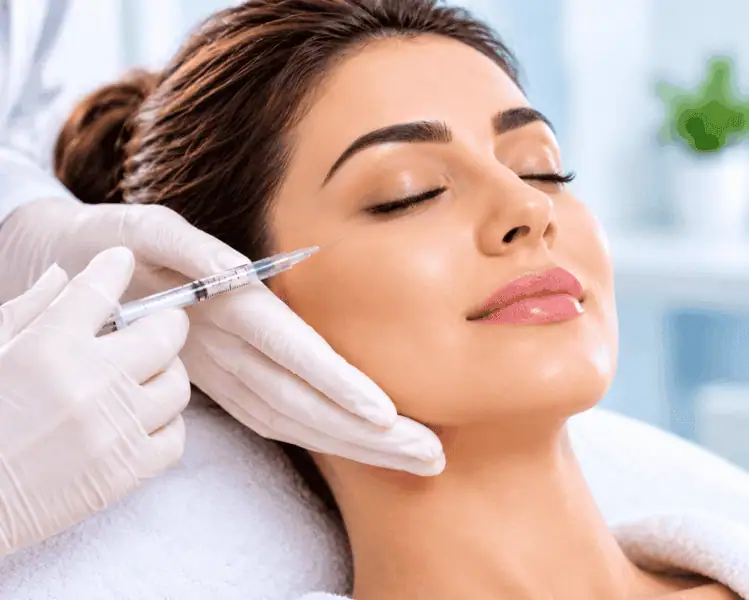
Table of Contents
Most patients book their first appointment asking for filler, because filler is the option they know by name. At Angel Face Injections in Stoneham, MA, the conversation usually starts somewhere else. The concerns people describe- thinner skin, a hollow under-eye, a face that looks flatter than it did five years ago, are not always caused by missing volume.
That distinction shapes how we approach regenerative aesthetics Boston and North Shore patients are asking about more often. Treating tissue quality first tends to give anything that follows a better foundation.
Why would a provider recommend regenerative treatment before synthetic filler?
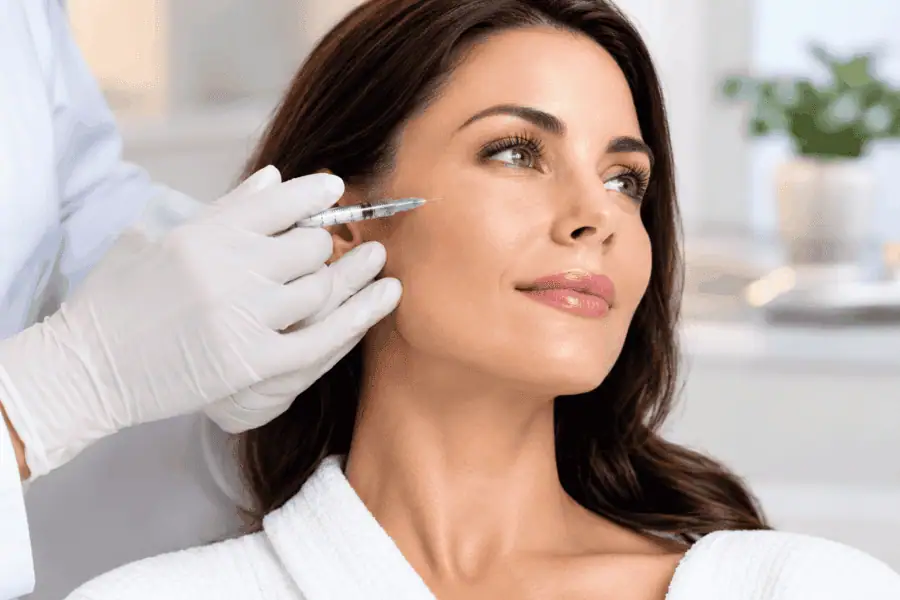
Regenerative treatments support the skin’s own collagen activity and tissue repair instead of adding volume from the outside, addressing skin quality rather than covering it. Many providers start there so that any filler placed later sits on a healthier foundation and often requires less product.
What Regenerative Aesthetics Actually Means
Regenerative aesthetics describes treatments that prompt the body’s own repair activity instead of adding volume from a syringe. The category includes platelet-rich fibrin (PRF), platelet-rich plasma (PRP), collagen-stimulating treatments such as biostimulators, and injectable growth factors including PDGF-BB.
The difference comes down to what the product does once it is placed. A synthetic filler occupies space and holds a shape. A regenerative treatment works on the tissue that lost its structure in the first place, supporting collagen production and skin elasticity over weeks.
One point belongs here rather than in a footnote. Injectable growth factors and platelet preparations are used off-label in aesthetics. They are not FDA-approved for cosmetic facial or scalp treatment, and our providers say so plainly during consultation.
Why Volume Loss Is Not Always a Volume Problem
Crepey texture, thinning under-eye skin, dull tone, and early laxity usually come from declining collagen and elastin, not an empty pocket beneath the skin. The surface itself has changed.
Adding product to a quality problem can create weight without improving the skin sitting over it. An area may look fuller while the texture that bothered the patient stays the same. In some faces, repeated facial volume loss treatment with filler alone starts to read as heaviness instead of freshness.
How Angel Face Decides What Comes First
Sequencing starts at the consultation, where the provider assesses skin quality, facial structure, age-related changes, and what the patient actually wants to see. Two people with the same request often need different plans.
Angel Face Injections also offers ultrasound-guided aesthetic treatments, which support accurate anatomical planning by showing the structures beneath the surface before any injection is placed. From there, the reasoning is simple. Support the foundation, allow time for change, then reassess what, if anything, still needs volume.
Where PDGF-BB and PRF Fit In
PRF is drawn from a small sample of the patient’s blood, spun to concentrate platelets and fibrin, then injected to support healing and collagen response in the treated area. PRP works on a similar principle with a different preparation.
PDGF-BB is a recombinant form of platelet-derived growth factor, a protein the body uses in tissue repair. Biostimulation of this kind is used off-label in aesthetics. Recombinant PDGF-BB has FDA approval only for specific wound-care and bone-grafting products, and that approval does not extend to cosmetic injection in the face, neck, or scalp.
Why Synthetic Fillers Still Have a Place
Hyaluronic acid filler remains the right choice when structural volume is genuinely missing, or a defined contour is the goal, and Angel Face Injections offers dermal fillers for exactly those situations.
Collagen-stimulating products sit between the two approaches. Sculptra® and Radiesse® support the body’s collagen response while still providing some structural effect, making them useful for facial volume restoration planning. Hyaluronic acid filler also has a practical advantage: it can be dissolved if a result needs adjusting.
What a Regenerative-First Plan Looks Like for Most Patients
Most plans begin with skin quality and tissue health before structural product enters the conversation. Regenerative injectables are often paired with consistent skincare and sun protection, since both affect how well the skin responds.
Change is cumulative. Most patients notice improvement over a number of weeks, and more than one session may be recommended depending on the area and the goal. Plenty of patients still move on to filler afterward. The difference is that the filler is placed into healthier tissue, often in smaller amounts and in more targeted positions.
Who This Approach Tends to Suit
The natural injectables North Shore patients ask about tend to suit people noticing texture, crepiness, or early laxity rather than clear structural loss. It also suits people who prefer gradual change and want to start conservatively, which describes much of the interest we see behind regenerative aesthetics Boston MA and regenerative aesthetics North Shore MA searches.
Patients who already have filler are also candidates, since improving skin quality alongside existing work is common. Candidacy is determined in a medical consultation, not from an article.
Common Questions About Regenerative Aesthetics
Is regenerative aesthetics a replacement for filler?
No. For many patients, it is the first step rather than the only one, and some still choose filler later.
Does it hurt, and what is recovery usually like?
Most patients report mild discomfort, and topical numbing is available. Minor redness, swelling, or bruising can occur and typically settles within a few days.
How soon do most patients notice a difference?
Gradually, across several weeks, as collagen activity responds. Results vary, and your provider may recommend a second session.
Is PDGF-BB FDA-approved for cosmetic use?
No. It is used off-label in aesthetics, and your provider will explain what that means for you during consultation.
Start With the Skin, Then Decide About Volume
Natural facial rejuvenation rarely comes from a single syringe. It comes from understanding what changed and treating it in a sensible order. If you’re considering filler and aren’t sure it addresses your concern, our medspa team at Angel Face Injections in Stoneham, MA can walk you through both paths. Discover Natural Facial Rejuvenation: Book Your Consultation Today.